Discover Premium Quality Plush Toys
Find the perfect soft toy companion with our comprehensive guide to the finest plush toys available. Safety certified, comfort tested, and loved by collectors worldwide.
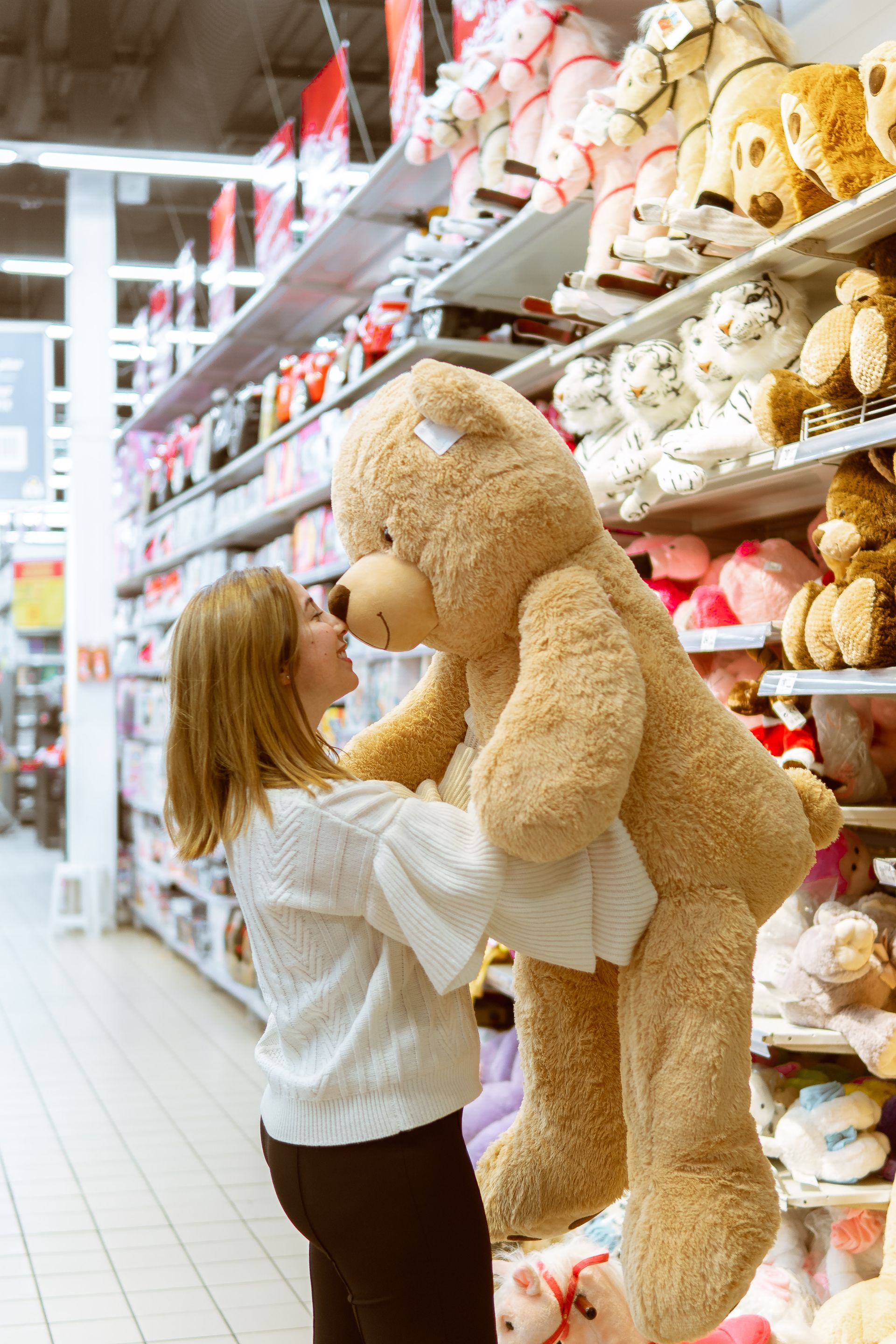
Find the perfect soft toy companion with our comprehensive guide to the finest plush toys available. Safety certified, comfort tested, and loved by collectors worldwide.
Plush toys are beloved companions for children and adults alike, offering comfort, emotional support, and endless joy.
Plush toys represent one of the most cherished categories in the toy industry, valued for their softness, durability, and emotional connection to users. These stuffed animals and soft toys serve not only as playthings for children but also as comfort objects, collectibles, and gifts that bridge generations. The global plush toy market continues to grow, reflecting increasing consumer demand for high-quality, safe, and thoughtfully designed soft toys.
Modern plush toys are manufactured with careful attention to safety standards, material quality, and ethical production practices. Whether you're searching for a classic teddy bear, character-based plush toys from popular franchises, or eco-friendly stuffed animals, understanding what makes a quality plush toy is essential for making informed purchasing decisions.
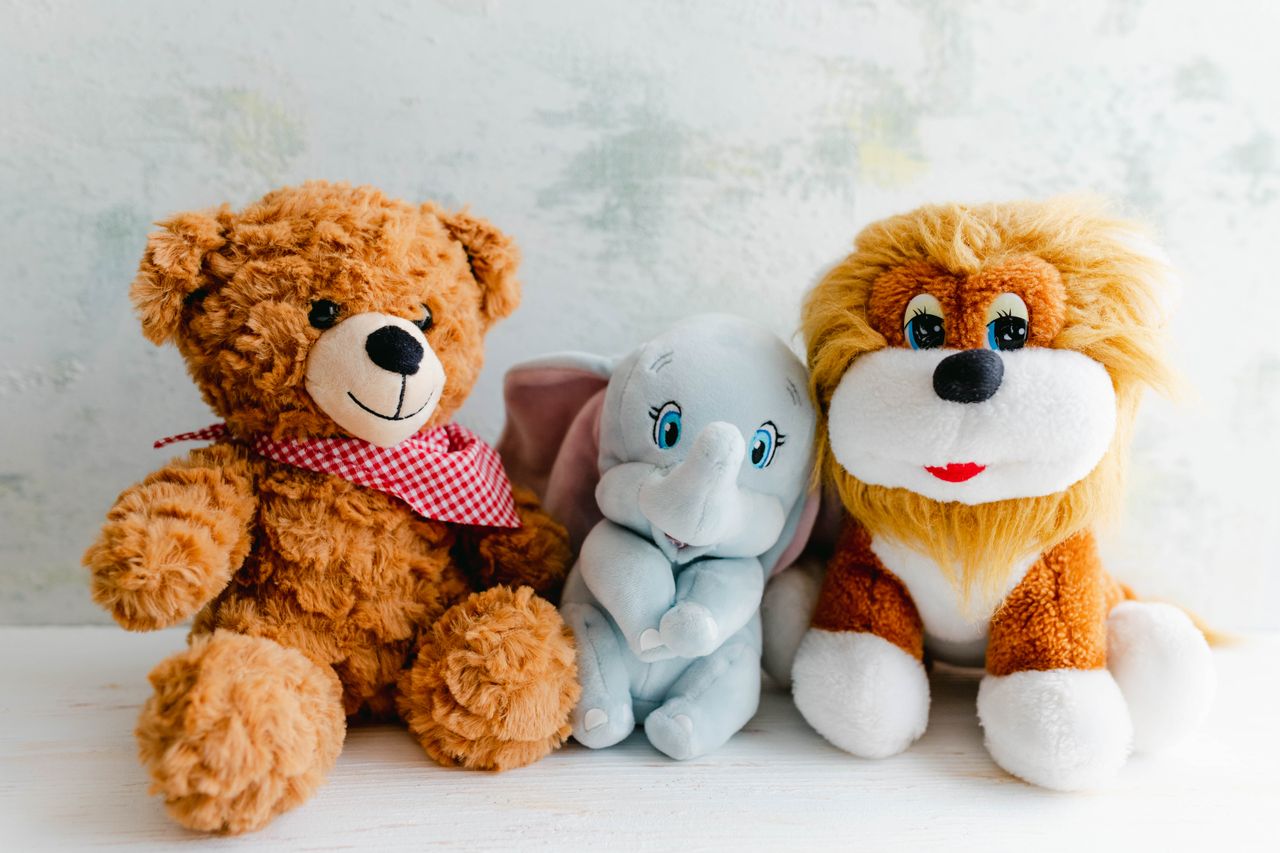
From newborns to adult collectors, plush toys appeal to all ages for comfort, play, and emotional well-being.
Choose from traditional teddy bears, character plush, collectibles, and custom designs that suit your preferences.
All quality plush toys meet rigorous international safety standards including ASTM F963 and EN71 certifications.
Quality plush toys provide psychological, developmental, and emotional benefits that extend far beyond simple entertainment.
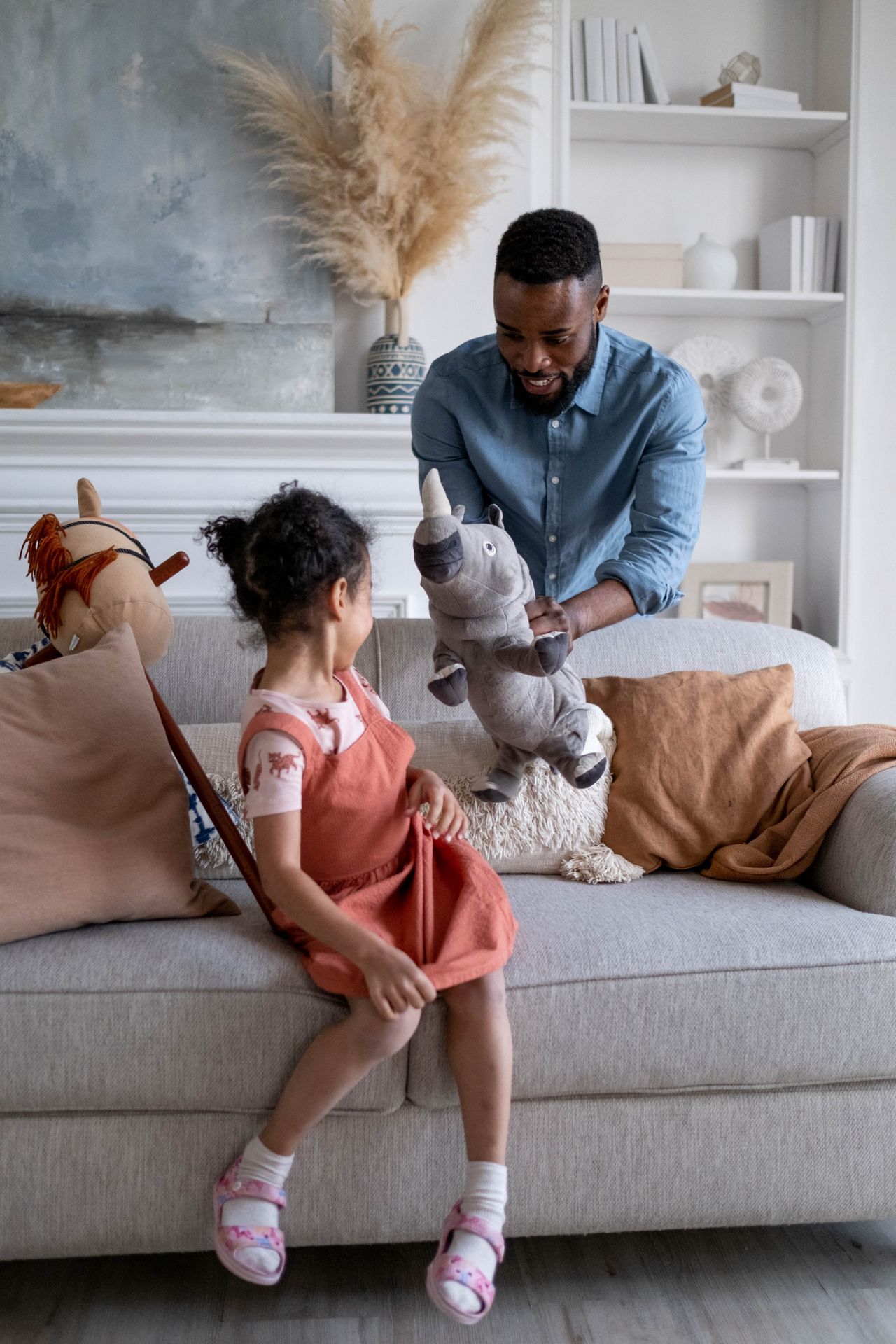
Plush toys serve crucial roles in childhood development by facilitating imaginative play, providing comfort during stressful situations, and helping children develop emotional intelligence and empathy.
Research shows that children who have comfort objects like plush toys develop stronger coping mechanisms and experience greater emotional security.
The adult collector market for plush toys has grown significantly, with limited-edition releases and character-based collectibles commanding dedicated followings and secondary market demand.
Many collectors appreciate plush toys for their nostalgic value, artistic design, and investment potential in the growing collectibles market.
The plush toy market offers diverse options for different preferences, ages, and collecting interests.
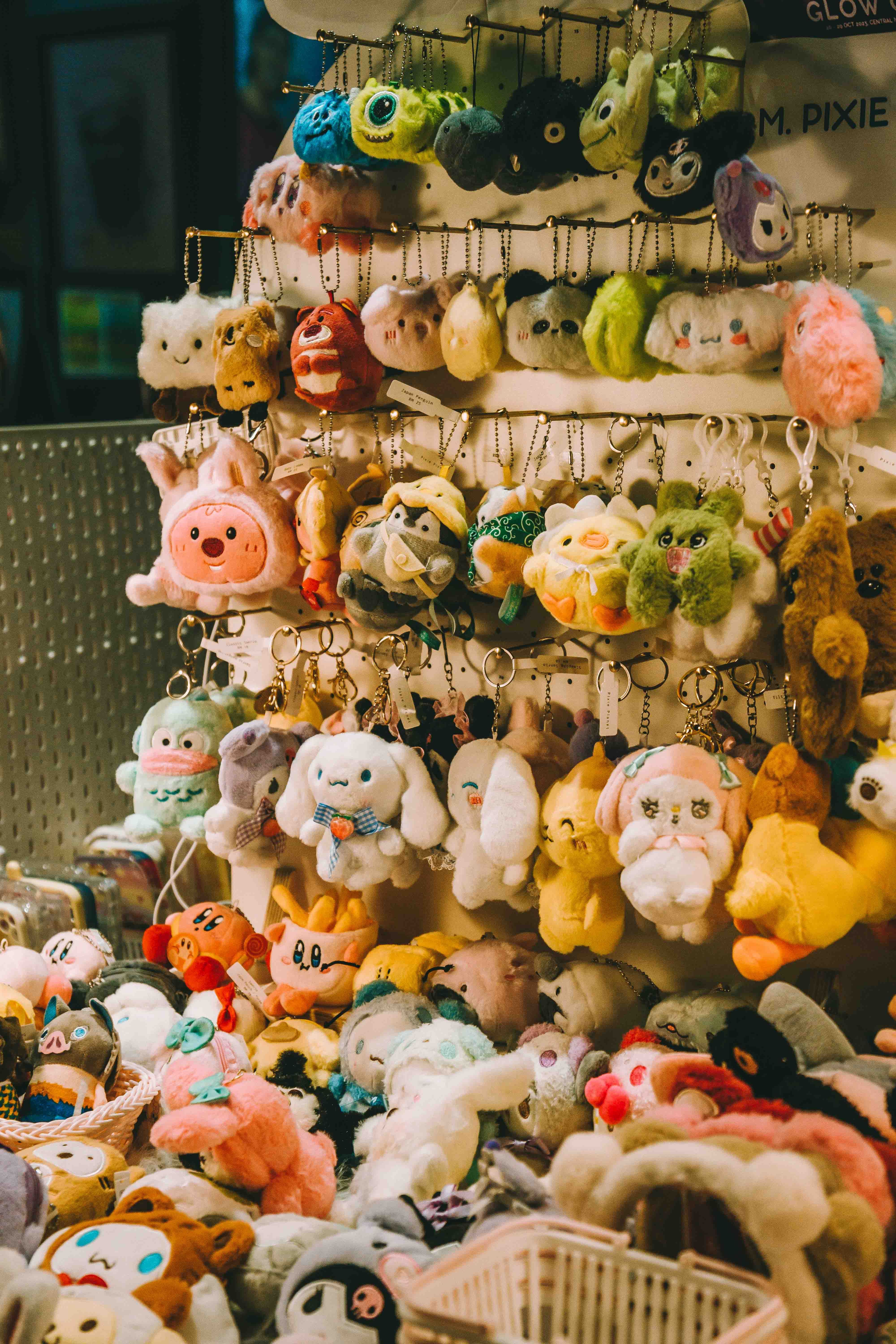
Classic teddy bears, rabbits, and wildlife-inspired plush toys that have remained beloved for generations. Perfect for all ages and the most widely gifted plush toy category.
Licensed merchandise featuring popular movie, TV show, game, and streaming characters. These collectible plush toys appeal to fans of all ages and franchises.
Exclusive plush toy releases from specialty brands that create artificial scarcity and investment value. Popular among serious collectors and enthusiasts.
Personalized stuffed animals with embroidery options, unique designs, and made-to-order features. Perfect for special gifts and unique preferences.
Technology-integrated plush toys with sound, voice recognition, and learning features. Designed for modern children interested in interactive play.
Sustainable stuffed animals made from organic cotton, recycled materials, and non-toxic dyes. Ideal for environmentally conscious families and gift-givers.
Making the right plush toy selection requires considering multiple factors including age appropriateness, safety standards, and personal preferences.
Always check age recommendations on plush toy packaging. Toys marked for 0-3 years must have no small detachable parts. Look for certification labels including ASTM F963 (USA), EN71 (Europe), and CE markings. Verify the toy has passed mechanical testing for durability and chemical testing for non-toxic materials.
Premium plush toys typically use soft, hypoallergenic materials like cotton blends or certified polyester. Run your hand across the fabric to assess softness. Check for high-quality stitching with reinforced seams. Examine the stuffing material – look for polyester fiberfill or eco-friendly alternatives. Avoid toys with weak seams, rough edges, or poor fabric quality.
Quality plush toys feature double-stitched seams that withstand years of play and frequent washing. Check that eyes, noses, and other accessories are securely attached. Examine the toy for loose threads, rough spots, or construction flaws. Research brand reputation for durability – some manufacturers offer longer-lasting products than others.
Consider whether the plush toy is for comfort, collection, play, or gift-giving. For comfort objects, prioritize softness and washability. For collectors, research limited-edition releases and brand prestige. Evaluate special features like squeakers, music, or interactive elements. Ensure the plush toy's size is appropriate for the intended user.
Buy from established plush toy manufacturers with strong safety records and transparency. Check for product recalls through official CPSC databases. Read customer reviews focusing on durability and safety feedback. Look for brands that provide detailed safety documentation and third-party testing reports. Reputable manufacturers openly share material sourcing and production standards.
Ensure the plush toy includes clear washing instructions suitable for your lifestyle. Most quality plush toys withstand machine washing in gentle cycles or hand washing. Check if the toy maintains its appearance and integrity after washing. Some premium toys may require special care. Proper maintenance extends plush toy lifespan and maintains comfort for years.
Understanding the materials and manufacturing processes ensures you select safe, durable plush toys that meet international quality standards.
The most premium choice for plush toys, organic cotton offers exceptional softness, hypoallergenic properties, and environmental sustainability. Cotton accounts for substantial market share in high-quality plush toy manufacturing due to consumer preference for natural materials in children's products.
Certified polyester fabrics are emerging as a strong alternative, valued for versatility, durability, and cost-effectiveness. Polyester allows vibrant colors, innovative designs, and exceptional softness while remaining affordable for mass-market consumers.
Premium textured fabrics provide luxurious feel and realistic animal simulation. These materials are ideal for lifelike plush animals and premium collectibles that appeal to discerning buyers seeking premium quality experiences.
Sustainable plush toy manufacturing now utilizes recycled polyester, biodegradable stuffing, and non-toxic dyes. These materials appeal to environmentally conscious parents and collectors willing to pay premium prices for sustainable options.
Polyester fiberfill is the industry standard for plush toy filling, valued for cost-effectiveness, durability, and hypoallergenic properties. Synthetic filling comprises approximately 67.4% of the plush toy market due to consistent quality and affordability.
Organic stuffing options including natural latex, cotton fibers, and biodegradable materials appeal to consumers prioritizing sustainability and natural composition in children's toys.
Premium plush toys may include memory foam for enhanced comfort, recycled plastic bottles for sustainability, or weighted filling for therapeutic applications. These specialized options command higher prices in the plush toy market.
Manufacturers increasingly utilize blend materials combining the best properties of synthetic and natural options. These balanced approaches deliver quality, durability, and environmental responsibility.
Premium plush toy manufacturers implement rigorous quality control processes at every production stage. These comprehensive procedures ensure that every plush toy meets international safety standards, durability requirements, and customer expectations.
All fabrics and filling materials undergo chemical testing for harmful substances, heavy metals, and toxic dyes. Materials must comply with regulations including CPSIA chemical restrictions and ASTM F963 specifications.
Quality control includes tension tests on seams, pull tests on attached accessories, and stress testing to simulate years of play. These tests ensure plush toys withstand normal use and abuse without structural failure.
Manufacturers must verify that no small detachable parts can separate during normal or foreseeable abuse. All accessories including eyes and noses must pass pull force testing to prevent choking hazards for young children.
Plush toy fabrics and filling materials undergo flame resistance testing to ensure they meet required burn rate standards. Materials must not ignite or spread flame excessively during testing procedures.
Quality plush toys are tested for washability and colorfast properties. Toys must maintain structural integrity and appearance after multiple washing cycles per ASTM specifications.
Reputable manufacturers partner with CPSC-accredited independent laboratories for comprehensive testing. These third-party certifications provide verification that products meet all applicable safety standards before market distribution.
The mandatory toy safety standard for the United States covering mechanical, chemical, and flammability hazards. All plush toys sold in the US must comply and include proper certification.
European toy safety standard with three main parts: mechanical/physical safety, flammability, and chemical restrictions. Required for CE marking and distribution in EU countries.
Consumer Product Safety Improvement Act enforces strict chemical restrictions (lead and phthalates), requires third-party testing, tracking labels, and Children's Product Certificates for toys designed for children 12 and under.
International toy safety standard providing globally recognized guidelines for mechanical, physical, chemical, and electrical safety properties applicable across multiple international markets.
Voluntary textile certification verifying materials are free from harmful substances and safe for human contact. Prestigious certification for premium eco-friendly plush toys.
Modern plush toy manufacturers increasingly prioritize sustainability and ethical production practices. The industry has seen a 42% increase in sustainable toy production over recent years, reflecting growing consumer demand for environmentally responsible products.
The plush toy industry continues to evolve with emerging trends that reflect changing consumer preferences and technological innovation.
The global plush toy market was valued at approximately 16.8-20.44 billion dollars in 2024 and is projected to reach 27-33 billion dollars by 2032-2035. This represents a compound annual growth rate of 5-8%, demonstrating sustained market expansion driven by increasing consumer demand for premium and collectible plush products.
The stuffed animals segment specifically leads market revenue, accounting for approximately 39.56% of total plush toy industry value, reflecting the timeless appeal of traditional soft toys across all demographics.
Current market trends indicate strong shifts toward sustainable materials, with approximately 73% of millennials considering sustainability a crucial purchasing factor. Licensed character-based plush toys account for 37% of market demand, driven by entertainment franchises and streaming content.
The rise of adult collector segments and emotional wellness applications demonstrates that plush toys have evolved beyond children's toys to serve therapeutic and lifestyle functions for diverse age groups.
Interactive plush toys with voice recognition, sound activation, and smart features have increased by 39% across premium toy categories. This technological integration appeals to younger demographics seeking enhanced engagement and educational value from plush toys.
Smart plush toys equipped with learning features and connectivity options represent a growing niche within the broader plush toy market, combining traditional comfort with modern interactive capabilities.
Customizable and personalized plush toys are driving significant market growth as consumers increasingly desire unique products reflecting individual preferences and stories. Companies like Build-A-Bear Workshop pioneered customization, and the trend continues expanding through new manufacturers.
Personalization options including custom embroidery, unique designs, and made-to-order features command premium pricing and create emotional connections that drive consumer loyalty and repeat purchases.
The collectible plush toy market has experienced explosive growth driven by viral social media trends and deliberate scarcity strategies. Limited-edition releases create investment value and command dedicated collector followings on platforms like TikTok and Reddit.
Approximately 29% of adult plush toy purchases involve limited-edition collectibles, with secondary market resales often commanding significant mark-ups, demonstrating the financial appeal of rare plush toys.
E-commerce platforms have revolutionized plush toy accessibility, with online sales providing convenience, product variety, and competitive pricing. Traditional offline retail still dominates with 63.6% market share, emphasizing the importance of tactile shopping experiences.
The expansion of digital retail has enabled niche international brands and independent creators to reach global audiences directly, democratizing the plush toy market while mainstream retailers adapt to changing consumer shopping preferences.
Find answers to common questions about plush toy selection, safety, care, and usage.
Look for certifications including ASTM F963 (USA), EN71 (Europe), CE marking, and CPSIA compliance for the United States market. These certifications indicate that plush toys have undergone rigorous testing for mechanical safety, chemical restrictions, flammability, and age-appropriate design. Reputable manufacturers provide third-party testing reports from CPSC-accredited laboratories and include clear labeling with safety marks, age recommendations, and manufacturer information.
Plush toys designed for newborns and infants must be specifically labeled as appropriate for birth and feature no small detachable parts that pose choking hazards. Toys for children under 3 years must pass stringent mechanical testing to ensure all components remain securely attached. Always check age recommendations and select toys from reputable manufacturers that provide safety documentation. Many parents use soft, small plush toys as comfort objects for infants, but ensure they meet all applicable safety regulations.
Most quality plush toys are machine washable in gentle cycles using cold water or warm water with mild detergent. Check the care label for specific washing instructions, as some premium toys may require hand washing. Avoid high heat and strong detergents that could damage the fabric or filling. Air dry your plush toys rather than using a dryer to prevent potential damage. Regular washing maintains hygiene and comfort while proper care extends the plush toy's lifespan for years of enjoyment.
Cotton plush toys dominate the high-end market, prized for exceptional softness, natural hypoallergenic properties, environmental sustainability, and premium feel. Cotton accounts for substantial market share among quality-conscious buyers and appears in luxury plush toys. Polyester plush toys offer excellent versatility, vibrant colors, cost-effectiveness, and durability, making them ideal for mass-market consumers and budget-conscious buyers. Many quality plush toys use cotton-polyester blends combining benefits of both materials.
Eco-friendly plush toys typically command premium pricing compared to conventional options due to higher material costs for organic cotton and recycled materials, plus rigorous sustainability certifications. However, prices vary significantly based on brand, size, and customization options. Many consumers consider the environmental benefits and reduced chemical exposure worth the additional cost. The eco-friendly plush toy market has grown 42% in recent years as more manufacturers offer sustainable options at various price points.
Limited-edition plush toys create investment value through deliberate scarcity, special designs, exclusive collaborations, and brand prestige. Collectors value these toys for rarity, potential appreciation in secondary markets, and emotional significance. Approximately 29% of adult plush toy purchases involve limited-edition collectibles, with resale values often exceeding original prices. Success depends on brand reputation, production numbers, cultural relevance, and collector demand within hobby communities.
Yes, research demonstrates that plush toys provide genuine emotional comfort and security for children. Quality soft toys serve as comfort objects during stressful transitions, medical procedures, and everyday anxiety. Healthcare facilities widely recognize plush toys as effective emotional support tools in pediatric care. Plush toys encourage imaginative play, facilitate social skill development, and help children process emotions. Approximately 46% of parents prefer educational plush toys designed for sensory development and emotional comfort in children under 8 years.
Avoid plush toys lacking safety certifications, clear labeling, or manufacturer information. Be cautious of toys with weak seams, loose components, or poor construction quality. Don't purchase toys without visible care instructions or age recommendations. Steer clear of products from unknown manufacturers without verifiable safety testing. Avoid toys with unpleasant chemical odors or rough, low-quality fabric. Check for potential choking hazards including detachable small parts, loose buttons, or unraveling stitching. Always verify products meet applicable international safety standards for your market.
Premium plush toys with excellent construction and quality materials can last for decades with proper care and maintenance. Well-made stuffed animals often become family heirlooms passed down through generations. Standard plush toys typically withstand 3-5 years of regular children's play, while collectible and display-quality toys can last indefinitely when stored properly. The lifespan depends heavily on construction quality, material durability, frequency of use, washing practices, and storage conditions.
Purchase plush toys from reputable retailers including established toy stores, major e-commerce platforms like Amazon, and direct manufacturer websites. Look for sellers that clearly display safety certifications and third-party testing documentation. Specialty toy retailers often provide knowledgeable staff who can answer detailed questions about specific plush toy safety features. Always verify that products include proper labeling with manufacturer information, safety marks, and clear age recommendations. Check seller ratings and customer reviews focusing on safety and durability feedback.
Different age groups benefit from plush toys designed specifically for their developmental needs and safety requirements.
Soft plush toys sized for infant handling with no small detachable parts. Must be labeled suitable from birth with maximum safety testing. Approximately 58% of plush animal purchases are made for children under 6 years old.
Focus: Safety, softness, sensory development
Durable plush toys designed to withstand rough play and frequent washing. Securely attached components and reinforced seams essential for this age group's active play patterns.
Focus: Durability, emotional comfort, imaginative play
Larger plush toys with more complex designs and licensed character options. Approximately 46% of parents prefer educational plush toys for this age group. Characters and collectibles become increasingly important.
Focus: Character preferences, educational value, collectibility
Character-based and limited-edition collectibles appeal to this demographic. Social media and pop-culture trends heavily influence purchasing decisions. Show strong engagement with character merchandise and gaming plush toys.
Focus: Collectibles, character franchises, social media trends
Growing segment purchasing high-quality collectibles, limited editions, and nostalgic plush toys. 73% of parents report buying toys for themselves, reflecting significant adult market share driven by emotional and investment motivations.
Focus: Premium quality, collectible value, nostalgia
The 45+ age group significantly influences plush toy purchases, often buying for grandchildren or personal nostalgia. Prioritize quality, safety certifications, and emotional significance when selecting gifts for younger generations.
Focus: Safety records, emotional connections, quality gifts
Browse our curated selection of high-quality, safety-certified plush toys and stuffed animals for every age and preference.